

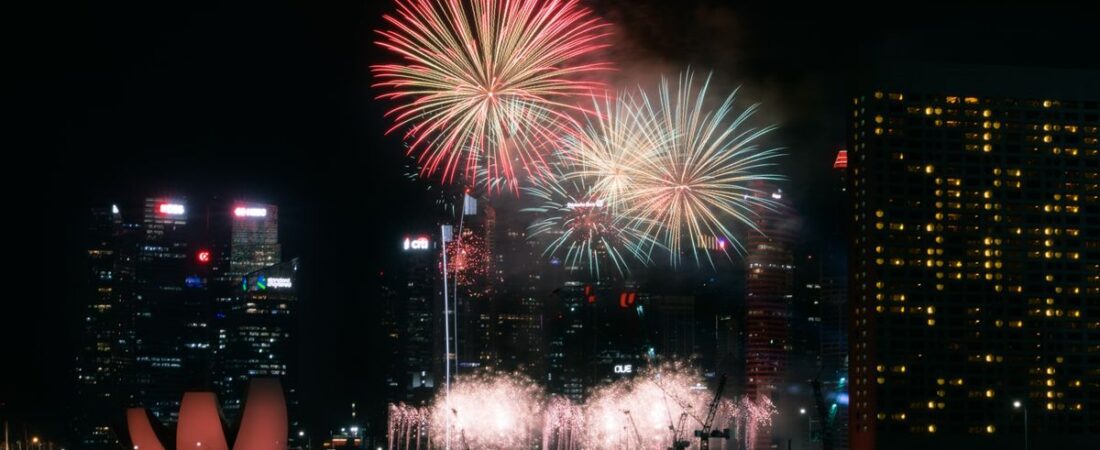
What festival events are happening in Singapore’s City Centre in 2024?
In 2024, Singapore’s City Centre hosts over 30 major festivals, including the Singapore Food Festival, Singapore River Festival, and National Day Parade, offering cultural performances, street food, and family activities across Marina Bay, Orchard Road, and Hong Lim Park.
Major Annual Festivals
Key festivals such as the Singapore Food Festival, Singapore River Festival, and National Day Parade attract tens of thousands of visitors, featuring culinary tours, riverfront performances, and spectacular fireworks displays. These events also include live music stages, interactive food stalls, and cultural showcases highlighting Singapore’s diverse heritage.
- Singapore Food Festival – July, Lau Pa Sat, food contests, and chef demos.
- Singapore River Festival – August, boat tours, riverside markets, live music.
- National Day Parade – August 9, Esplanade, fireworks, patriotic performances.
- Singapore Music Festival – September, Marina Bay, international headliners.
- Heritage Festivals – Various months, Chinatown, Little India, Kampong Glam, cultural performances.
How to choose the best festival events for your schedule?
Compare dates, venue capacity, ticket price, crowd size, and accessibility, while checking trusted platforms for reviews and special accommodations to match your interests, budget, and transport needs.
Selection Criteria
Prioritize events based on personal preferences, logistical convenience, and budget, and verify information through trusted platforms for up‑to‑date details and community feedback.
- Dates align with your availability.
- Venue capacity matches expected attendance.
- Ticket price fits your budget.
- Online reviews indicate quality and crowd management.
- Public transport links and on‑site amenities (seating, restrooms, food stalls) are convenient.
Where are the top festival venues in City Centre?
Key venues include Marina Bay Sands, Gardens by the Bay, National Gallery Singapore, and Hong Lim Park, each offering state‑of‑the‑art stages, ample parking, and easy MRT access for diverse events.
Venue Highlights
These locations combine iconic settings with modern amenities, ensuring comfortable attendance and unforgettable festival experiences in the heart of Singapore.
- Marina Bay Sands – Iconic rooftop stages, extensive parking, and waterfront views.
- Gardens by the Bay – Premium indoor and outdoor stages, extensive crowd facilities.
- National Gallery Singapore – Historic elegance, climate‑controlled halls, and central MRT access.
- Hong Lim Park – Open‑air spaces, community feel, and easy pedestrian access.
How to get tickets and transportation for festival events?
Buy tickets early via official sites or trusted vendors, and navigate via MRT stations Bras Basah, Esplanade, City Hall, or nearby bus routes, festival shuttles, and discounted travel passes.
- Visit the event website or https://ib8sgs.com/live-events/ for direct online booking.
- Download mobile e‑tickets to avoid printing hassles.
- Use MRT: nearest stations are Bras Basah, Esplanade, and City Hall.
- Take bus lines that stop at Marina Bay and Bay Front.
- Benefit from complimentary festival shuttles and travel pass discounts.
What are the best dining and shopping options near City Centre festivals?
Within walking distance you’ll find hawker centres like Lau Pa Sat, upscale dining on Orchard Road, and malls such as Ngee Ann City, plus seasonal pop‑up food halls and boutique galleries showcasing local art.
- Lau Pa Sat – Famous for chilli crab and affordable hawker fare.
- Orchard Road – Luxury brands, fine dining, and rooftop bars.
- Ngee Ann City – Mixed retail, food court, and cultural stalls.
- Kim San Leng – Traditional kopitiams serving kaya toast.
- Boutique Galleries – Local designers and craft markets.
How to capture festival moments with photography?
Use a fast lens, adjust for low‑light, position near stages, respect photography policies, and scout angles early; bring a tripod for stability and obtain consent for commercial use.
- Equip a DSLR or mirrorless camera with a wide‑aperture lens.
- Set ISO for indoor low‑light conditions; rely on natural light outdoors.
- Compose shots focusing on crowd dynamics, stage visuals, and cultural décor.
- Obtain artist or organizer permission for commercial use of images.
- Post‑process to enhance colors while preserving an authentic festival vibe.
Why choose Singapore’s City Centre for cultural festivals?
The City Centre blends world‑class infrastructure, diverse cultural heritage, reliable transport, and government support, creating an inclusive environment with premium amenities and safety for memorable festival experiences.
- Extensive MRT, bus, and pedestrian walkways.
- Multiple ethnic neighborhoods within walking distance.
- High‑end hotels, convention centers, and medical services.
- Grants, permits, and promotional assistance for organizers.
- Well‑monitored areas with 24/7 police and surveillance.
Frequently Asked Questions
Below are concise answers to common queries about attending festivals in Singapore’s City Centre.
Q: When is the best time to visit Singapore for festivals?
A: The festival season peaks from June to September, overlapping with the Singapore Food Festival and National Day celebrations, offering the most diverse experiences.
Q: Are festival tickets refundable?
A: Most events follow strict no‑refund policies, but you can exchange tickets through the official portal like https://ib8sgs.com/live-events/ within 48 hours of purchase if the event is not sold out.
Q: Can I bring pets to festivals?
A: Pets are generally not allowed inside festival perimeters, except service animals, to ensure crowd safety and compliance with venue regulations.
Q: Where can I find budget‑friendly accommodation near City Centre festivals?
A: Consider hostels in the Bugis area or discounted hotel rates through platforms recommended by IB8SGD (https://ib8sgd.com/home/referral?refId=hikMcRBR), which often provide special festival rates.
Q: What should I wear to a Singapore festival?
A: Dress in lightweight, breathable clothing and comfortable shoes. Modest attire is advised for cultural sites, and bring a light jacket for air‑conditioned indoor venues.