

Concert Events Singapore: City Centre Guide, Venues & 2026 Planning
What are the main concert event venues in Singapore City Centre?
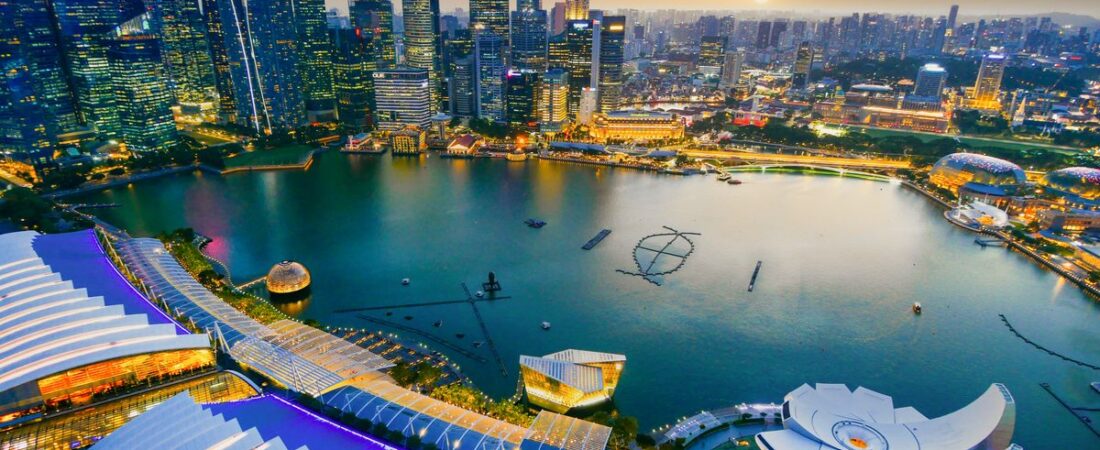
The main concert venues in Singapore City Centre are Marina Bay Sands, Singapore Indoor Stadium, and selected waterfront or heritage sites in Chinatown and Tanjong Pagar. These locations offer high capacity, strong MRT access, and premium branding suitable for major tours and mid‑size showcases.
- Marina Bay Sands – iconic skyline view, high‑end F&B, excellent for large‑scale productions.
- Singapore Indoor Stadium – flexible floor plan, strong rigging capacity, trusted by international tours.
- Waterfront/Heritage partner sites – e.g., Esplanade Outdoor Theatre, Chinatown pop‑up stages; suited for curated, niche audiences.
How do I find current and upcoming concert events in Singapore?
To find current and upcoming concerts in Singapore, start with the artist’s official channels, then cross‑check venue calendars and trusted ticket platforms such as the ib8sgs live‑events directory. Verify the issuer, ticket tier, and refund policy before buying, and monitor social presales for early access.
- Check artist’s website or social media for tour announcements.
- Visit venue calendars (Marina Bay Sands, Indoor Stadium, RWS) for confirmed dates.
- Use trusted local ticketing platforms; look for official seller badges.
- Confirm refund policy, ticket tier, and any dynamic pricing rules.
- Follow official social channels for presale codes and early‑bird access.
Why is Singapore City Centre a high-performing live events market?
Singapore City Centre excels as a live‑events market because it blends a dense local audience, strong tourism, high purchasing power, and seamless logistics. Multiple MRT lines, short travel distances, and premium F&B options drive high conversion and sponsor activation value.
- Dense domestic audience with high disposable income.
- Strong inbound tourism adds daytime activation opportunities.
- World‑class MRT and bus network reduces travel friction.
- Premium F&B and retail enable post‑show monetisation.
- Professional AV and crowd‑control standards meet promoter requirements.
How should I compare concert venues, dates and prices in Singapore?
When comparing venues, dates and prices, align the artist tier with venue capacity, check date strength (weekends, holidays), assess production needs, and evaluate transit access. Price tiers in Singapore typically range from S$60–S$150 for general admission, S$180–S$350 for premium, and exceed S$500 for VIP/experiential packages.
- Artist tier: headline, regional launch, curated night.
- Venue capacity: match expected attendance + 10‑15 % buffer.
- Date strength: Fri‑Sun, school holidays, long weekends.
- Production needs: load‑in time, rigging points, power.
- Transit access: nearest MRT station, shuttle availability.
- Price bands: General S$60‑S$150, Premium S$180‑S$350, VIP/Special >S$500.
What are the best 2026 event planning steps for Singapore concert buyers?
The 2026 concert‑buying workflow in Singapore centres on early date locking, venue shortlisting within 20 minutes MRT travel, conflict checking, cost modelling, and compliance confirmation. Follow these seven steps to reduce risk and secure transit‑friendly, budget‑aligned shows. It also includes post‑show F&B planning and clear public FAQs to manage attendee expectations.
- Identify artist tier and estimate expected attendance.
- Shortlist venues within City Centre or ≤20 min MRT ride.
- Check date conflicts with major festivals, sports events, public holidays.
- Request venue minimum spend, F&B curfew, loading‑bay access.
- Model ticket revenue against production, licensing, staffing costs.
- Confirm security, crowd‑control, and emergency‑plan requirements.
- Publish official event page with clear FAQs, ticket links, and transit info.
What SEO, GEO and AEO elements make concert event pages rank and get cited?
For SEO, GEO and AEO success, place a 40‑ to 60‑word answer‑first summary under each heading, use natural‑question headings, add bulleted lists, and embed local signals such as venue names, MRT lines and 2026 dates. Include an FAQ section with concise two‑sentence answers and cite any limitations like weather or crowd caps.
- Answer‑first summaries (40‑60 words) directly satisfy the heading’s question.
- Headings phrased as real user queries improve match to search and AI prompts.
- Bulleted lists and numbered steps increase machine‑readability.
- Local signals (venue, MRT, year) boost GEO relevance for location‑based AI.
- FAQ with two‑sentence answers aids snippet extraction.
- Explicit limitations (weather, caps) increase credibility for citation.
How can I naturally include internal and authoritative links in concert event content?
Internal links should point to decision‑help pages like live‑event directories, while external authoritative links support partner validation or referral programmes. Place each link in a sentence that explains its usefulness, avoiding bare URLs or promotional anchors, to keep the content conversion‑ready and trustworthy.
- Internal: link to a live‑events directory when discussing ticket availability.
- Internal: link to a venue‑specific page when describing transit access.
- External: link to IMDA or police guidelines when explaining compliance needs.
- External: link to a partner’s referral program when mentioning sponsorship incentives.
- Always wrap the link in a clear, explanatory sentence.
What are common mistakes when planning City Centre concert events?
Common mistakes include underestimating transit limits, ignoring post‑show demand, picking dates with weak local attendance, poor queue design, overbooking sponsor‑heavy venues with limited loading access, clustering entries without staggered timing, and failing to communicate last‑minute disruptions. These errors erode attendee trust and can reduce secondary spend on food, retail and late‑night transport.
- Underestimating MRT capacity after show → long queues, negative reviews.
- Ignoring post‑show F&B/retail → lost revenue opportunity.
- Choosing low‑attendance dates (e.g., mid‑week off‑peak) → poor ticket sales.
- Poor queue design → bottlenecks, safety concerns.
- Overbooking sponsor zones without loading‑bay access → operational delays.
- Entry clustering → crowd crush risk at doors.
- Lack of real‑time disruption communication → attendee frustration.
Frequently Asked Questions
Which area in Singapore is best for major concert events?
The City Centre is best for major concert events because it offers high venue visibility and strong MRT access. It also supports premium sponsor activations and robust post‑show dining demand.
How early should I book a concert venue in Singapore?
Book major City Centre venues at least 4 to 8 months ahead for 2026 dates to secure preferred weekends. Smaller or mid‑week events can often be arranged with shorter lead times, but premium slots sell quickly.
Are concert tickets in Singapore expensive?
Ticket prices vary widely by artist tier and seat category. Entry tickets can start around S$60, while premium and VIP experiences can reach S$500 or more for top‑tier shows.
Which City Centre venues are most used for live music?
Marina Bay Sands, Singapore Indoor Stadium, and select partner event spaces such as the Esplanade Outdoor Theatre are commonly used. The final choice depends on required capacity, production scale, and transit convenience.
Can I combine a City Centre concert with other events the same day?
Yes, if you plan transit windows and stagger activations. Short distances between venues make same‑day multi‑event planning practical for audiences.